
Dubai is a strong base for technology companies that want access to the UAE market and wider regional opportunities. The emirate offers a choice of free zones for software, IT consulting, SaaS, AI, fintech, blockchain, digital services and other technology-led activities.
Choosing the right free zone is an important step in technology business setup in Dubai. Each free zone has different licence options, workspace rules, visa packages, sector focus and cost levels. A low-cost licence may suit a solo consultant, while a growing fintech or AI company may need a more specialised ecosystem.
This guide explains the main Dubai free zones for technology business setup and the practical points founders should review before applying.
Why Choose a Dubai Free Zone for a Technology Business?
A Dubai free zone allows businesses to operate under a defined authority with clear setup procedures. Many technology founders choose free zones because they offer structured licensing, business support and access to industry communities.
Free zones can support technology companies with:
- 100% foreign ownership
- A defined licensing process
- Flexible workspace options
- Visa eligibility, depending on the package
- Access to business networks and service providers
- Sector-focused communities in selected free zones
The process typically involves choosing the business activity, selecting a legal structure, reserving a trade name, submitting documents, securing initial approvals and receiving the business licence.
Requirements may vary depending on the free zone, business activity and shareholder structure.
What to Consider Before Choosing a Tech Free Zone
There is no single best free zone for every technology company. The right option depends on the business model, budget and growth plan.
Before choosing a free zone, applicants should review:
- Business activity: Software development, IT consultancy, AI services, fintech and blockchain may fall under different licence categories.
- Visa needs: A solo founder may need fewer visas than a growing technology team.
- Workspace requirements: Some businesses need only a flexi-desk, while others need dedicated offices or a larger space.
- Budget: Licence, visa, office and renewal costs can vary between free zones.
- Banking requirements: Corporate bank account opening may depend on business activity, documents and compliance checks.
- Growth plans: The structure should support hiring, new services and possible expansion.
A clear setup plan helps avoid delays, licence mismatch and unnecessary restructuring later.
Dubai Internet City
Dubai Internet City is one of Dubai’s most recognised technology business communities. It is designed for companies working in information technology, digital services, software, AI, internet-based services and related sectors.
It is often considered by businesses that want to operate in a well-established technology environment. The free zone is known for its commercial spaces, business facilities and technology-focused ecosystem.
Key advantages
- Strong technology sector positioning
- Access to an established business community
- Suitable for regional and international technology firms
- Recognised address for digital and IT companies
- Useful for companies seeking visibility and industry access
Common considerations
Dubai Internet City may involve higher setup and operating costs than some general free zones. It may suit companies that value sector reputation, networking and long-term positioning.
Best suited for
Dubai Internet City is often suitable for software companies, SaaS businesses, AI ventures, IT firms, digital platforms and established technology companies planning regional growth.
Dubai Silicon Oasis
Dubai Silicon Oasis is a technology-focused economic zone in Dubai. It is built around knowledge, innovation and technology-based business activity.
It can be a practical choice for founders who want a technology environment with room to grow. Businesses may find options for co-working spaces, offices and other workspace solutions, depending on their needs.
Key advantages
- Technology-focused business environment
- Suitable for startups and growing companies
- Workspace options for different business sizes
- Practical choice for software and innovation-led companies
- May offer better value than some premium technology hubs
Common considerations
Companies should check whether their exact activity is available under the free zone’s licence categories. Visa allocation, office needs and approval requirements should also be reviewed before applying.
Best suited for
Dubai Silicon Oasis is often suitable for early-stage startups, software developers, IT service providers, AI companies, hardware-related businesses and innovation-led firms.
Dubai Multi Commodities Centre
Dubai Multi Commodities Centre, widely known as DMCC, is one of Dubai’s large and well-established free zones. Although it is not only focused on technology, it supports a broad range of business activities.
For technology companies, DMCC can be attractive because of its flexibility, business location and access to a large commercial community in Jumeirah Lakes Towers.
Key advantages
- Wide range of business activities
- Established free zone structure
- Recognised commercial location
- Suitable for multi-activity businesses
- Access to a broad business community
Common considerations
DMCC is not a specialist technology-only free zone. Companies looking for a deep technology ecosystem may prefer a more sector-focused option. However, businesses that need flexibility may find it suitable.
Best suited for
DMCC is often suitable for IT consultancies, software firms, blockchain-related businesses, digital service providers and international companies that want a flexible Dubai base.
DIFC Innovation Hub
DIFC Innovation Hub is linked to Dubai International Financial Centre and is focused on financial innovation. It is especially relevant for businesses working in fintech, regtech, insurtech, Islamic fintech and technology services for the finance sector.
DIFC operates under a recognised legal and regulatory framework. This can be important for companies working with investors, banks, financial institutions or regulated financial technology services.
Key advantages
- Strong focus on fintech and financial innovation
- Access to investors, accelerators and financial institutions
- Suitable for regulated or finance-related technology businesses
- Recognised business environment for financial services
- Useful for companies seeking sector-specific credibility
Common considerations
DIFC is generally positioned for companies with serious growth plans or finance-sector needs. Costs and compliance requirements may be higher than in some general free zones.
Best suited for
DIFC Innovation Hub is often suitable for fintech startups, regtech firms, AI companies serving financial institutions, payment technology businesses and innovation-led ventures seeking investor access.
International Free Zone Authority
International Free Zone Authority, known as IFZA, is a popular option for entrepreneurs who want a flexible and cost-conscious business setup route in Dubai.
IFZA supports a wide range of activities and business structures. It may suit technology founders who do not need a specialist ecosystem but want a clear licensing process and adaptable setup options.
Key advantages
- Flexible licence options
- Suitable for different business activities
- Cost-conscious setup route
- Practical for consultants and digital service providers
- Straightforward formation process
Common considerations
IFZA may not offer the same concentrated technology community as Dubai Internet City or DIFC Innovation Hub. Founders should assess whether ecosystem access or lower operating costs is more important.
Best suited for
IFZA is often suitable for IT consultants, SaaS founders, digital service providers, software businesses and entrepreneurs seeking a practical free zone setup.
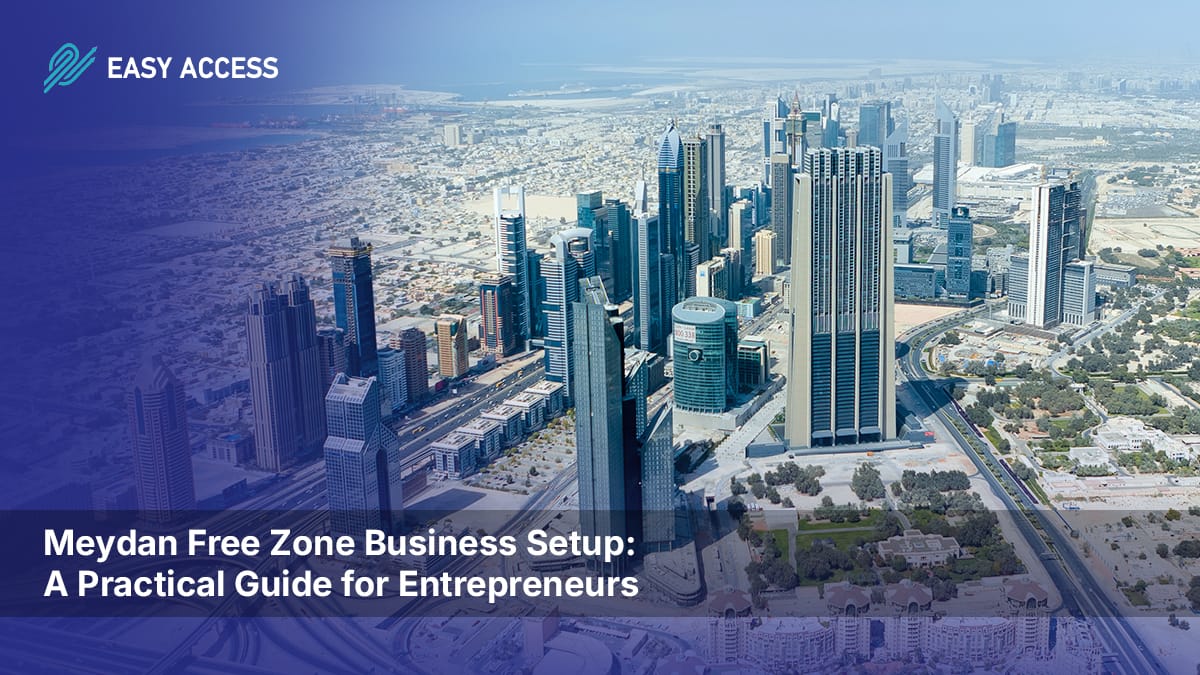
Meydan Free Zone
Meydan Free Zone is known for its digital-first setup process and flexible licensing options. It can be a suitable option for founders who want a streamlined route to establish a Dubai company.
For technology businesses, Meydan may work well when the priority is simple setup, low overheads and flexibility rather than a specialist technology cluster.
Key advantages
- Digital setup process
- Flexible business activity options
- Suitable for lean businesses
- Useful for remote or service-based technology companies
- Practical for early-stage founders
Common considerations
Meydan is not a specialist technology ecosystem. Companies that need strong sector networking, investor access or industry-specific facilities may need to compare it with DIC, DSO or DIFC.
Best suited for
Meydan Free Zone is often suitable for freelancers, software developers, IT consultants, digital service providers and early-stage technology founders.
General Costs for Technology Business Setup in Dubai
The cost of technology business setup in Dubai depends on several factors. These include the free zone, licence activity, number of visas, office package, shareholder structure and any external approvals.
Common cost elements include:
- Trade licence fees
- Registration fees
- Establishment card costs
- Visa and Emirates ID costs
- Medical test charges
- Office or flexi-desk package
- Renewal costs
- Banking and compliance support, if required
Applicants should avoid choosing a free zone based only on the lowest starting price. A cheaper package may not always support future hiring, banking requirements or business expansion.
Transparent pricing helps founders understand both setup and renewal costs before committing.
How to Choose the Right Free Zone
The right free zone should match the company’s activity, budget and long-term plan.
A practical comparison may look like this:
- Choose Dubai Internet City for a recognised technology ecosystem.
- Choose Dubai Silicon Oasis for a technology-focused and growth-friendly environment.
- Choose DMCC for flexibility and a strong commercial address.
- Choose DIFC Innovation Hub for fintech and finance-related technology.
- Choose IFZA for a flexible and cost-conscious setup.
- Choose Meydan Free Zone for a digital-first and streamlined setup route.
Founders should also consider licence scope, visa allocation, banking readiness and future compliance needs before finalising a free zone.
Practical Insights for Technology Founders
Technology companies should prepare before applying for a licence. A clear activity description can reduce delays and help authorities classify the business correctly.
Applicants should also ensure that documents are complete and consistent. This may include passport copies, shareholder details, business activity information and, where required, additional approvals.
Banking should be planned early. UAE banks may request information about the business model, source of funds, expected transactions, client locations and shareholder background.
Operational clarity at the setup stage can support smoother licensing, banking and future growth.
How Easy Access Management Consultancy Can Help
Easy Access Management Consultancy supports technology business setup in Dubai through structured advisory and practical coordination.
Our services can include:
- Strategic Advisory on business structure and free zone selection
- Transparent Pricing guidance for setup and renewal costs
- Dedicated Account Managers for consistent support
- Government Relations support for approvals and documentation
- Banking Support for corporate account preparation
- Post-Setup Support for compliance and operational needs
The aim is to help founders choose a setup route that fits their activity, budget and long-term plans.
Conclusion
Dubai offers several strong free zone options for technology companies. Dubai Internet City, Dubai Silicon Oasis, DMCC, DIFC Innovation Hub, IFZA and Meydan Free Zone each serve different business needs.
The best choice depends on the company’s activity, cost expectations, visa needs, banking requirements and growth strategy. A clear comparison at the start can help avoid delays and reduce future changes.
For technology business setup in Dubai, founders should focus on structure, compliance and long-term fit rather than only the initial licence cost.
FAQS
Which free zone is best for a technology business in Dubai?
There is no single best option for every company. Dubai Internet City suits technology ecosystems, DIFC suits fintech, DSO suits innovation-led firms, while IFZA and Meydan may suit cost-conscious founders.
Can a Dubai free zone technology company work with mainland clients?
Yes, in many cases, a free zone company can work with UAE mainland clients. Requirements may vary depending on the service, activity and operating model. Professional guidance is recommended before signing contracts.
What licence does a technology company need in Dubai?
The licence depends on the activity. Common options include software development, IT consultancy, digital services, AI services, SaaS platforms and technology support. The selected activity must match the actual business operations.
How much does a technology business setup in Dubai cost?
Costs vary by free zone, licence type, visa quota, office package and approvals. Applicants should review setup fees, renewal fees, visa costs and workspace charges before choosing a package.
Is a physical office required for a Dubai free zone company?
Some free zones offer flexi-desk or shared workspace options. Others may require dedicated office space depending on the activity, visa needs and company size. Requirements vary by jurisdiction.